
Fontaines D.C.'s Dopamine Chamber is elevated by pop influences
BY OLIVER PEZESHKI
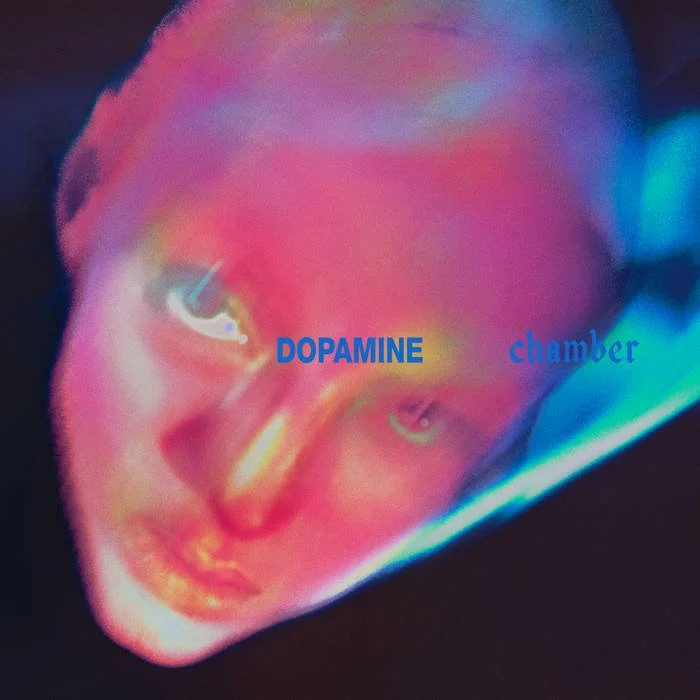
Dopamine Chamber represents a great change of pace for Fontaines D.C. as the band’s sound continues to evolve. Not every experiment pays off, but venturing into poppier territories has produced some of the band’s best songs yet.
The album starts off with "Six Shot Morning,” a crescendo of an opening song that takes its time building up to a wonderfully abrasive finale. The song has a hazy, yet energetic atmosphere led by powerful synths and drums, encapsulating the full range of feelings and sounds the album explores within a single song.
The next song and lead single “Marianne” is a decent track, feeling like a direct continuation of “Six Shot Morning.” It leans into a similar trance-like beat that gives the song a dreamy feel. Unfortunately, about halfway through it becomes clear that the first minute of the song is about all there is to it, the lyrics quickly becoming repetitive and clunky. On lines like “understand this is your life,” singer Grian Chatten leans into a choppy, chanting delivery that comes off as stiff in the midst of the album's hazy instrumentation.
“Mimesis” feels like what “Marianne” was meant to be. It’s a beat-driven, punchy and danceable pop song that doesn’t lose the distortion-heavy rock sound Fontaines usually deals in. Where the lyrics in “Marianne” fail, those in “Mimesis” succeed — not in complexity, but in the smooth flow they bring to the song, uninterrupted by the clunky bits that dragged down what should have been the best moments of “Marianne.” If there’s one sin “Mimesis” commits, it’s being a bit forgettable, with the overall poppy sound not giving way to a unique listening experience.
“Happy For You” begins a transition into the somber mood that Dopamine Chamber often returns to, and features some of the strongest lyrics and delivery on the whole album. The first half prominently features a slow guitar melody that quickly warps into strong distortion by the halfway mark, picking up the energy and evoking classic Fontaines. The song does suffer from a bit of repetitiveness like “Marianne,” but it never reaches even close to the same level.
“Demolition” features a strong, energetic opening that effectively continues the previous song’s aggressiveness, but its chord and lyrical progressions, full stops and drum machine backing track make it sound like something I’ve heard before in many pop-rock songs since the 2000s. While Grian’s delivery does lend some novelty to the popular formula alongside undeniably strong lyrics, the song's predictability makes it a bit forgettable.
The issues in “Marianne” are ones that unfortunately appear throughout the album, especially in “Tongue,” the album's second single, which features some truly baffling singing choices and grating repetition, leading to a monotonous sound that makes the whole song fall apart. Lyrics like “shit I’m sorry, didn’t realize” feel haphazardly crammed into the song’s instrumental and given no room to breathe. Thankfully, while other songs on Dopamine Chamber feature similar issues, they don’t have the same clumsy monotony of “Tongue” and “Marianne.”
“One Man” sets the album back on track, providing a welcome lower-energy sound and returning to the aforementioned somber tone. This time the melancholy is mixed with a hopeful, bittersweet mood, driven home by gorgeous swelling strings and vocals delivered with honest emotion. The introduction of an acoustic guitar marks a clear shift in the album’s sound that stays present until the end, but a great central synth riff helps keep the sonic identity of the song cohesive with previous songs.
“Where Is Gone?” – the album’s third, final and best single – takes the mood and acoustic stylings of “One Man” and runs with it, adding a surprise feature by Rosalía. She and Grian sing a duet that serves as the song’s central vocal track and the album’s crowning achievement. Grian’s gruff delivery works better than ever here, contrasted against Rosalía’s tender and silky smooth performance. Together they bring the album’s best lyrics to life, blending perfectly with a fantastic instrumental and generating a strikingly emotional climax. The acoustic guitar continues, this time with a twang reminiscent of the soundtracks of spaghetti westerns.
“You Miss Me” brings back the energy from earlier in the album with a strong central beat and bassline that smoothly carries the song through a clearly separate verse and chorus. Each verse feels very cold, sometimes pessimistic, while each chorus acts like a warm, hopeful rebuke. The song’s warmth is doubled in “Japan,” a buttery smooth departure from the overall gloominess of Dopamine Chamber, carried by a proudly melodic, ambling drum and guitar core that pushes the album’s pervasive synths into the background. Lyrically the track is fun and simple, echoing mellow indie pop-rock greats like Mazzy Star and The Cranberries.
The album ends with “Intimate,” a song that feels almost like a reprise of opener “Six Shot Morning” with its heavy distorted electronic beats and initially slow, laid back vocals. The track is appropriately shorter and higher in energy though, serving as a proud, climactic finale that quickly ushers the listener out of the Dopamine Chamber.
Fontaines D.C.’s latest album doesn’t feel like more of the same, and it is better for it. By moving even further away from the more grungy rock sound they grew famous for, the band ventures into arguably more unique and experimental territories, only stumbling a couple of times along the way. Fans and new listeners alike will appreciate Domine Chamber for its moody synths, consistently great songwriting and perfected rock core. Fontaines’ refusal to stick to what they’re good at is admirable and continues to create some of the best music around.